*Respiratory Infections, Hypothermia Cases Rise as Cold Wave Deepens Across Valley*

Srinagar, Nov 28, Hospitals across Kashmir have reported a noticeable rise in cold-related illnesses as the Valley reels under one of the coldest Novembers in recent years, with night temperatures dropping well below the freezing point in several areas.
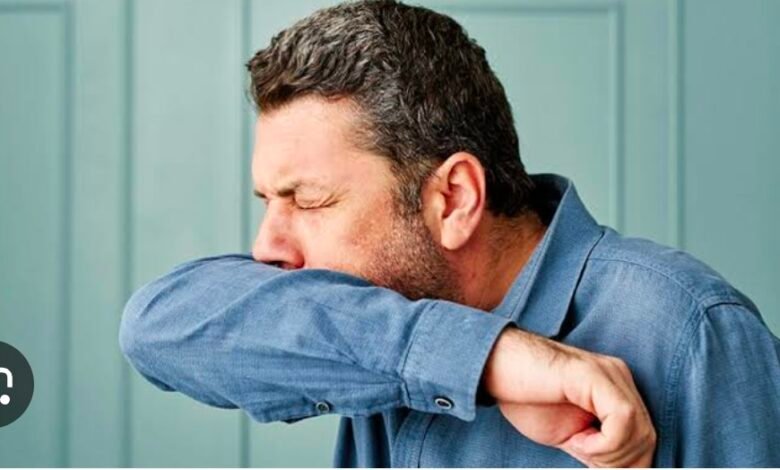
Doctors said there has been an increase in patients complaining of respiratory infections, asthma complications, chest congestion, and seasonal flu, particularly among children and the elderly. They confirmed a rise in cases linked to exposure, including early symptoms of hypothermia and frost-related complications in higher altitude areas.
A senior doctor at a government hospital in Srinagar told the news agency Kashmir News Trust that emergency and outpatient departments have witnessed a steady flow of patients suffering from breathing difficulties, persistent cough, and fever since the cold spell intensified. “Sudden temperature drops weaken immunity, especially among those already suffering from chronic illnesses. Elderly patients and children are most vulnerable during this period,” the doctor said.
An official from the Health Department said hospitals have been advised to ensure adequate availability of medicines, oxygen support and emergency facilities. Medical superintendents across districts have also been instructed to remain prepared for a further increase in patient load if the cold wave continues.
In rural and higher reaches, cases of exposure due to inadequate heating arrangements have also been reported. Locals in far-flung areas said prolonged power cuts and limited access to heating facilities have worsened the situation, forcing families to rely on unsafe heating devices.
Doctors have advised people to remain indoors during extreme cold, keep themselves adequately warm and consume balanced diets to maintain immunity. Parents have been asked to avoid sending children outdoors during early morning and late evening hours.
Health department officials urged people to seek medical attention at the earliest signs of breathing difficulty, prolonged fever or unusual fatigue, warning that ignoring early symptoms in severe cold conditions could lead to complications.
With cold conditions expected to persist, authorities said hospital preparedness remains a priority to ensure timely treatment and prevent avoidable loss of life during the winter season. [KNT]