*Prolonged Dry Spell May Lower Jhelum Water Levels, Raise Drinking Water Concerns Across J&K*

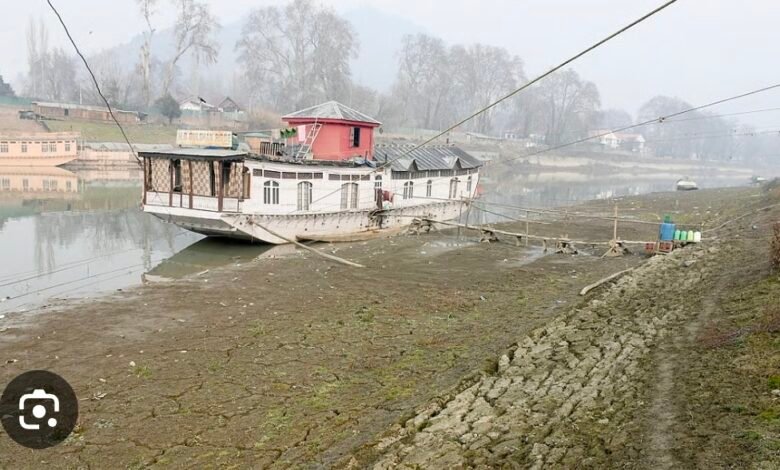
Srinagar, Nov 18, : A prolonged dry spell expected to continue across Jammu and Kashmir for the next 10 to 15 days could lead to a gradual decline in water levels in the Jhelum and its tributaries, with smaller streams and water channels facing a greater risk of drying up, according to a weather assessment issued by Kashmir Weather.
The assessment suggests that largely dry conditions may persist until December 5, warning that a continued absence of rainfall and snowfall could further reduce river discharge and increase the possibility of drinking water shortages in vulnerable areas.
It said the Jhelum and several of its tributaries were likely to witness a gradual fall in water levels over the coming days. Smaller streams already flowing at considerably low levels could be particularly affected, with some potentially drying up if the precipitation deficit continues.
The assessment cautioned that localities dependent on springs, smaller streams and other natural water sources could face difficulties if the dry spell extends beyond the initially anticipated period.
The impact could also be felt in the power sector, as declining river discharge may further reduce hydropower generation, particularly at projects dependent on adequate natural inflows.
It called for precautionary measures by the administration and concerned departments, including advance identification of vulnerable areas, monitoring of river and stream discharge, adequate drinking water arrangements and contingency plans for locations likely to face shortages.
People have also been advised to use water responsibly and avoid unnecessary wastage. The assessment, however, said there was no immediate reason for panic, while emphasizing the importance of preparedness during an extended period without precipitation.
It said the next 10 to 15 days were expected to remain largely dry, adding that an extension of the dry spell into December could make the gradual decline in water levels a more serious concern.